Testing Services
Our Solutions
Testing Services
Testing Types
3 minute read
News
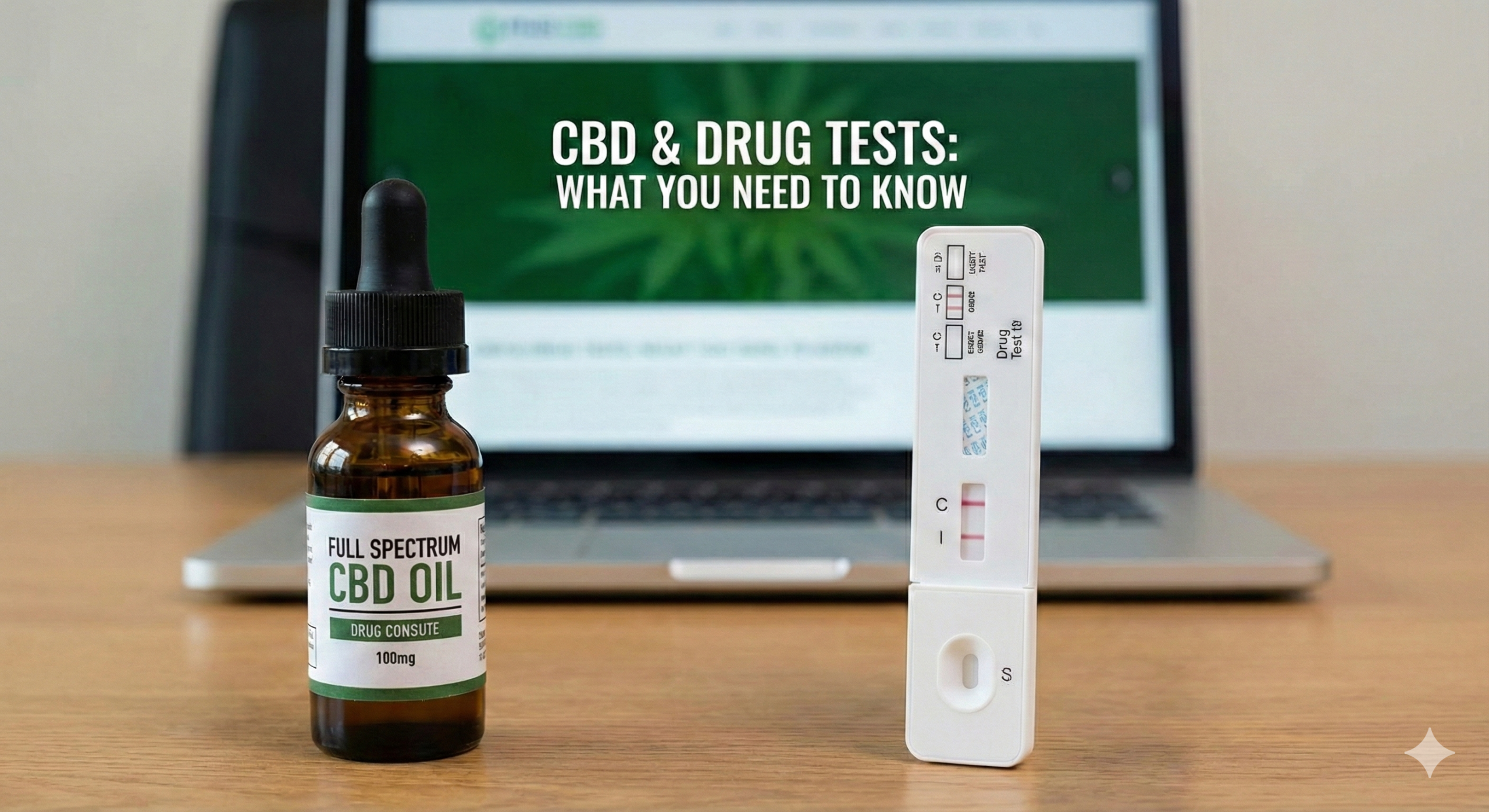
In recent years, CBD oil has surged in popularity among both travellers and employees working in safety-critical sectors such as aviation, rail, and construction. Its reputation as a natural remedy for anxiety, pain, and sleep disorders is particularly appealing to those facing high-stress environments and irregular schedules.
However, the increased availability and use of CBD products present unique challenges for employers responsible for ensuring workforce safety and regulatory compliance. Organisations in safety-sensitive industries must now navigate the complexities of staff using legal, over-the-counter CBD products, while safeguarding operational integrity and public trust.
CBD, or cannabidiol, is a non-psychoactive compound found in cannabis plants. Unlike THC (tetrahydrocannabinol), CBD does not produce intoxicating effects and is legal in many jurisdictions when derived from approved hemp sources and containing less than 0.2% THC.
Despite the legal distinction, many CBD oils are not subject to rigorous pharmaceutical standards, leading to potential cross-contamination with THC during manufacturing. This lack of standardisation means some CBD products may contain trace amounts of THC—raising questions about their impact on workplace drug testing protocols.
Workplace drug testing for cannabinoids typically targets THC and its metabolites, using immunoassay screening and confirmatory laboratory analysis. While pure CBD should not trigger a positive result, the presence of even minute quantities of THC in some CBD oils can potentially cause a failed drug test.
This risk is particularly concerning for safety-critical employees, where a positive result can lead to suspension, disciplinary action, or loss of professional credentials. Employers and employees alike must be aware that over-the-counter CBD products are not risk-free, and false positives—while rare—can have significant implications in regulated industries.
Regulators across the UK and Europe have begun to address the emergence of CBD use among safety-critical workers, emphasising the need for clear policy guidance and robust testing protocols. The Civil Aviation Authority, Network Rail, and other sector bodies have issued advisories reminding employers and workers of their obligations regarding impairment and substance use.
Best practice now includes transparent communication of risks associated with CBD, regular policy reviews, and ongoing staff education. Many organisations are adopting a precautionary approach, recommending employees in safety-critical roles refrain from CBD use altogether unless products are certified THC-free by accredited laboratories.
To minimise operational and legal risk, employers should review and update workplace drug and alcohol policies to specifically address CBD oil and related products. Clear guidance should be provided to staff regarding the selection and use of CBD, outlining the potential consequences of a positive drug test.
Employers are encouraged to implement robust, independent impairment testing programmes, supported by confirmatory laboratory analysis where appropriate. Regular manager and employee training on substance use risks, combined with access to confidential support pathways, ensures compliance and supports staff welfare in high-stakes environments.






 Back to all